Gear Guide
Best Weighted Vests for WOD (2026)
A weighted vest turns already brutal WODs into something else entirely. Whether you're chasing RX+ in your daily training or preparing for Murph, the vest you wear matters — bounce, fit, and durability all affect your performance.
Tell us how you'll use it and we'll point you to the right option.
🎯 Find Your Perfect Weighted Vest
Are you getting this vest specifically for Murph or a hero WOD?
Full Comparison
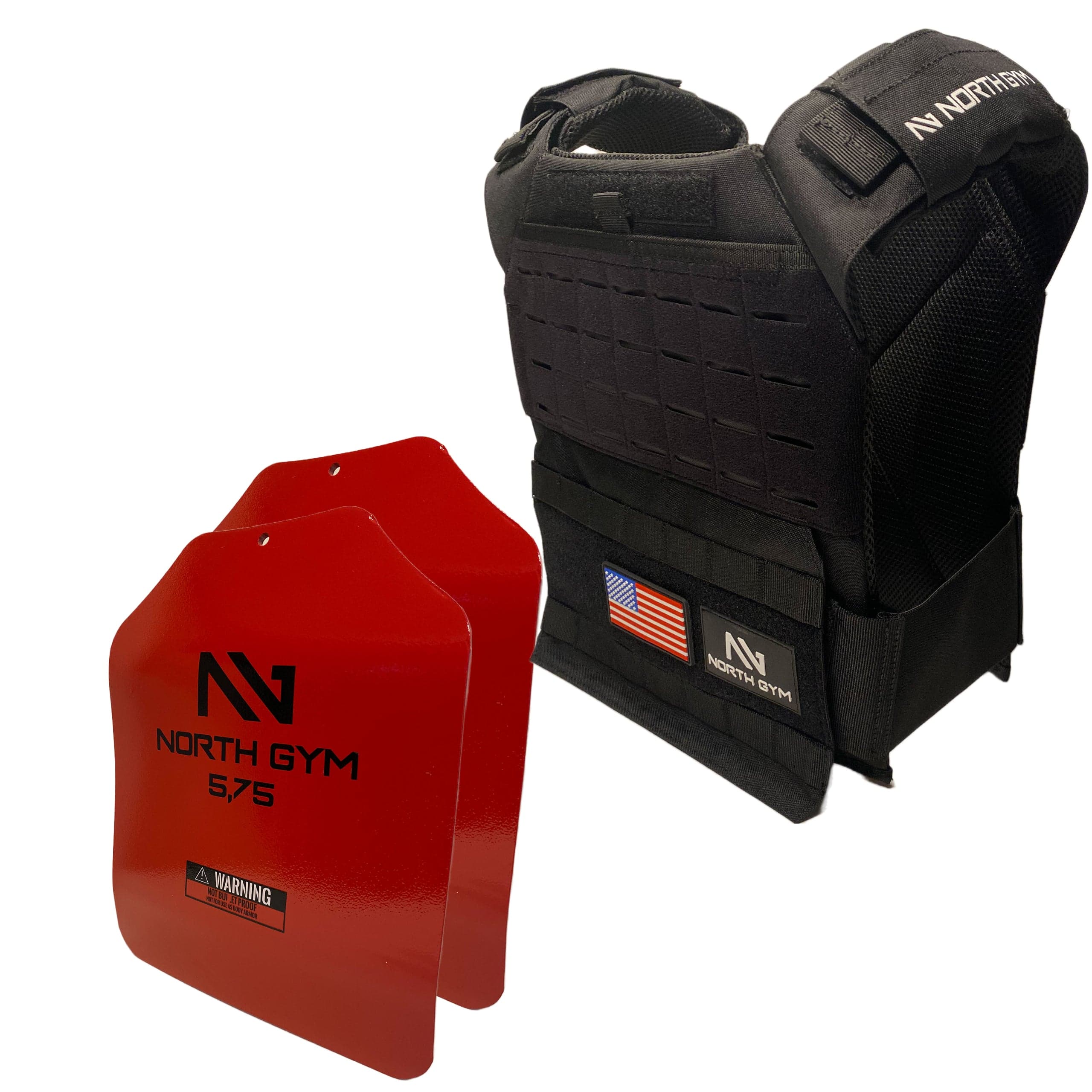
NorthGym
Weighted Vest — 14 lb
Rx women's Murph weight — minimal bounce, great fit
Pros
- ✓ Rx women's Murph weight (14 lb)
- ✓ Slim profile stays close to the body for minimal bounce
- ✓ Durable construction handles rope climbs and box jumps
- ✓ 10% off with code WODLIKE
Cons
- ✕ Fixed weight — not adjustable
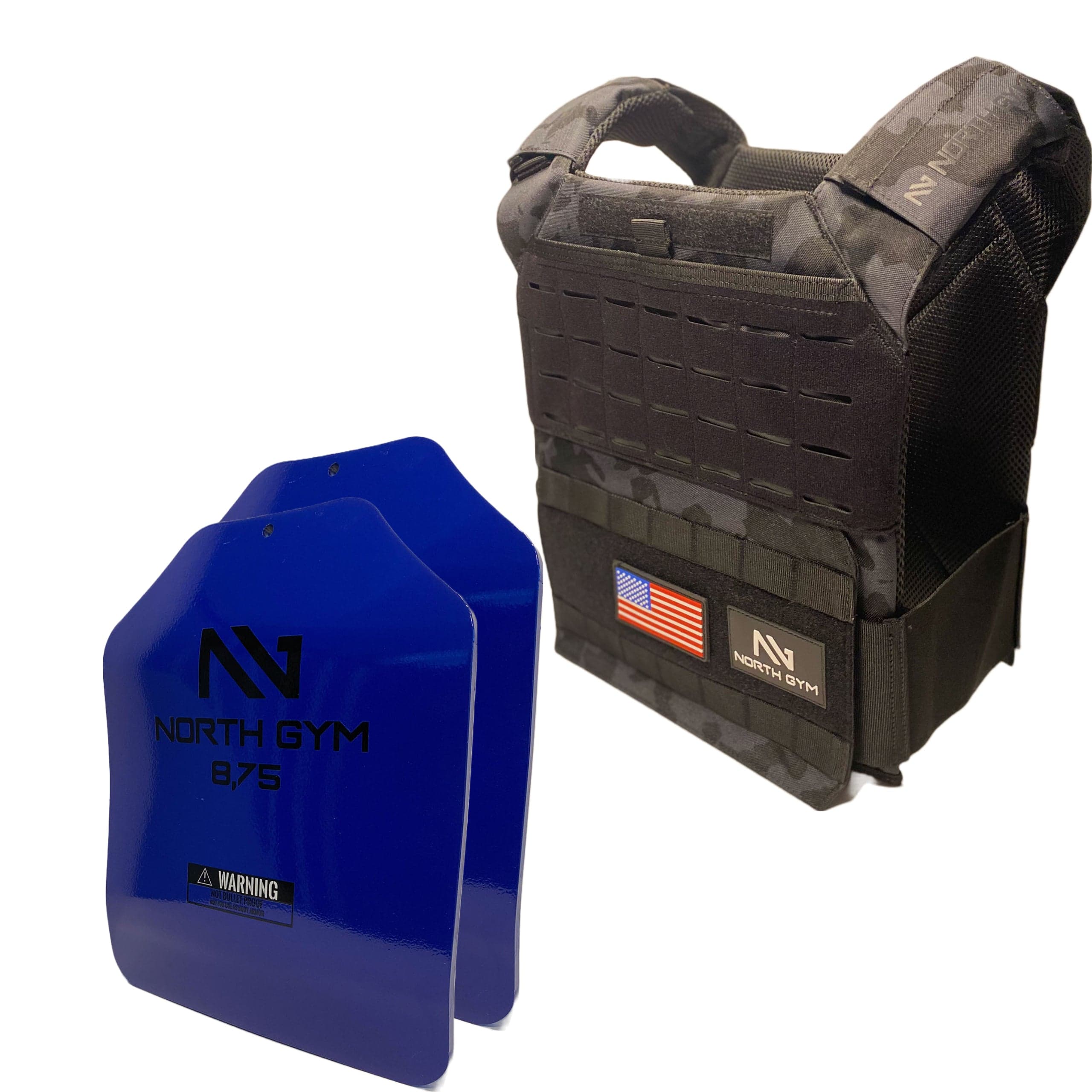
NorthGym
Weighted Vest — 20 lb
Rx men's Murph weight — four colorways, built to perform
Pros
- ✓ Rx men's Murph weight (20 lb)
- ✓ Slim profile with minimal bounce during running and pull-ups
- ✓ Durable enough for year-round training
- ✓ 10% off with code WODLIKE
Cons
- ✕ Fixed weight — not adjustable
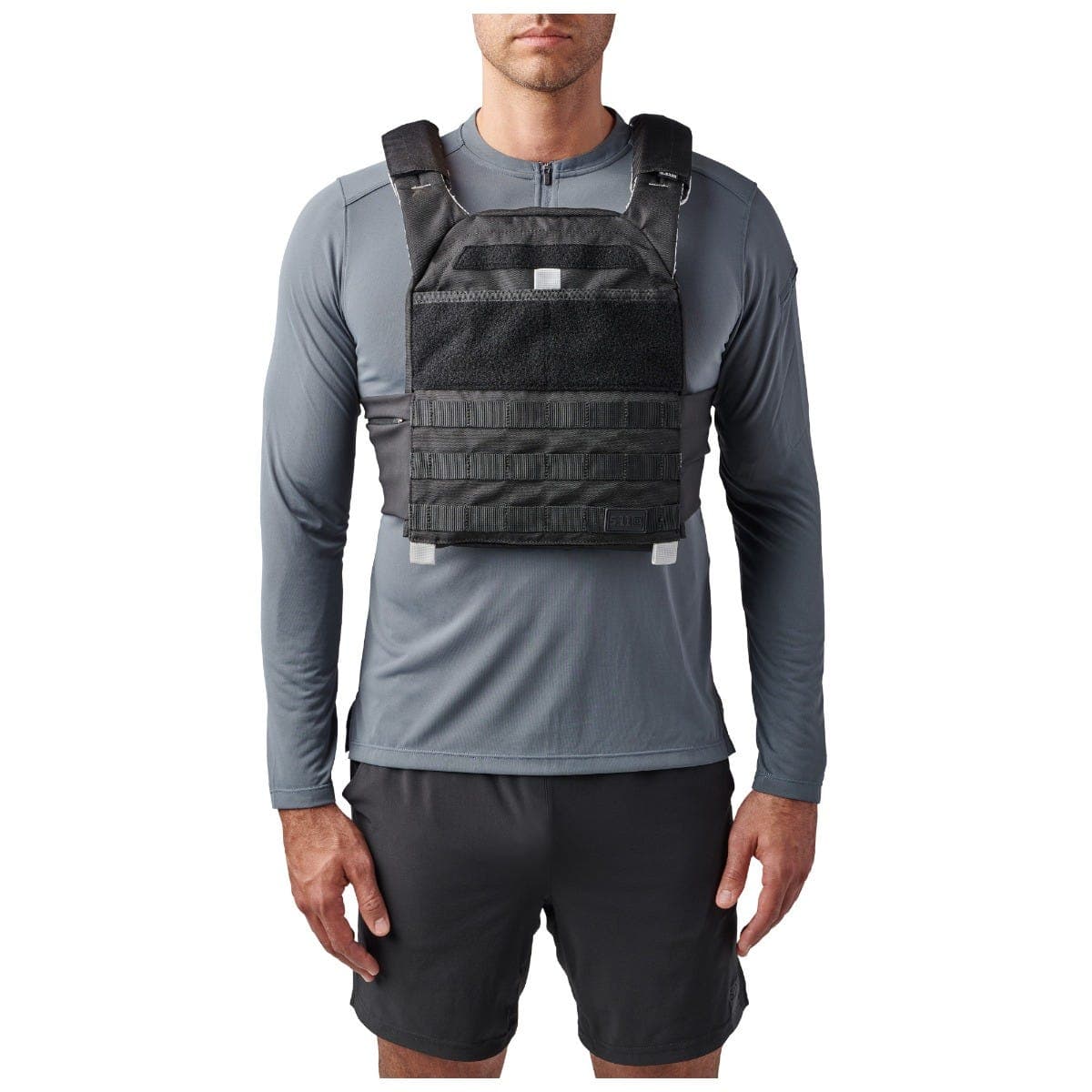
5.11 Tactical
TacTec® Trainer Weight Vest
Mil-spec construction with elite weight distribution for WOD
Pros
- ✓ Mil-spec construction — built to military-grade durability standards
- ✓ Excellent weight distribution: front and rear plate pockets
- ✓ Adjustable fit via side lacing for different body types
- ✓ Widely used by the WOD community for Murph
Cons
- ✕ Heavier empty compared to integrated vests
- ✕ Requires separate weight plates (not included)
- ✕ Premium price ($160)
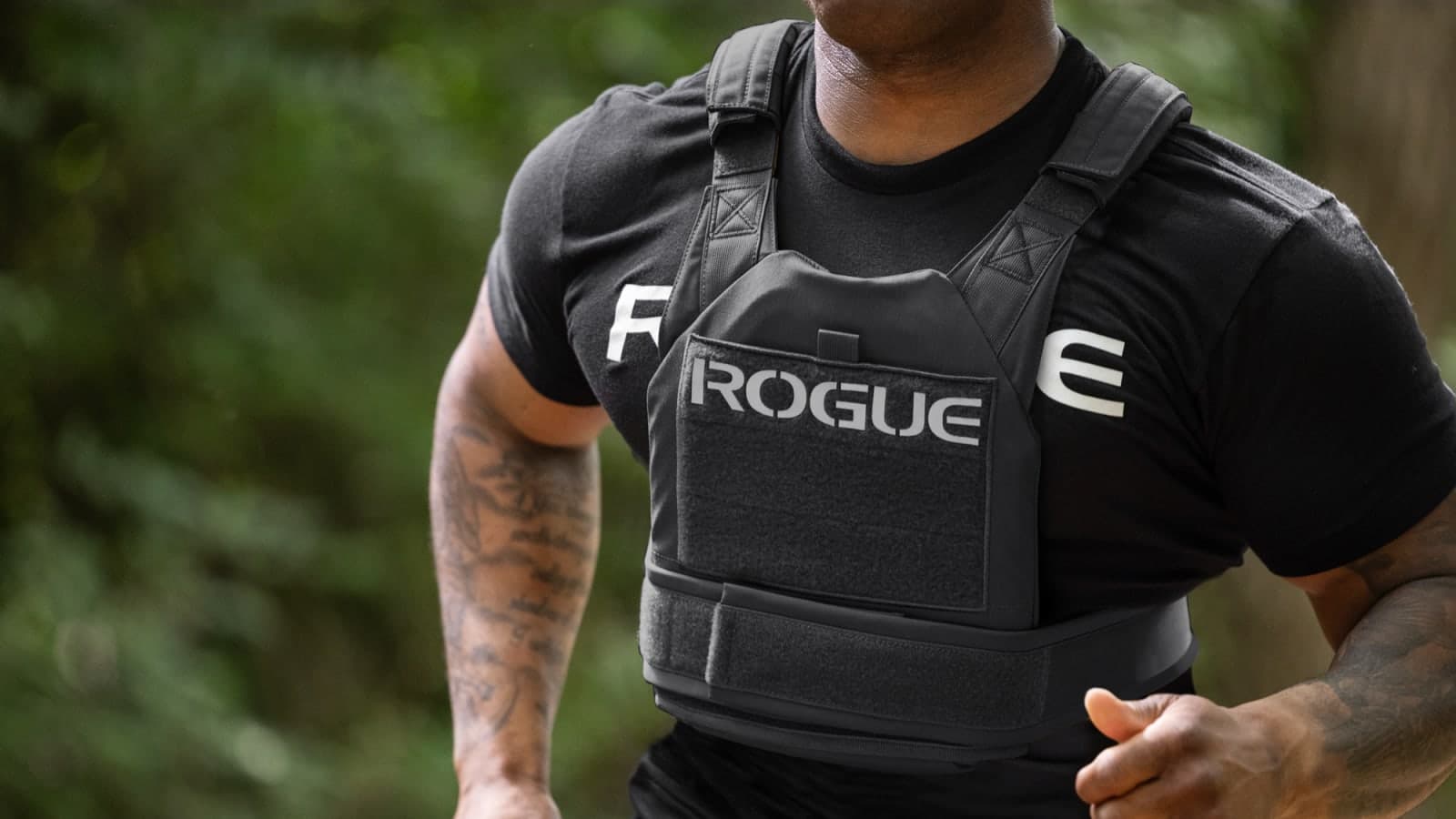
Rogue
Echo Weight Vest
Purpose-built for WOD — snug, stable, Rogue quality
Pros
- ✓ Purpose-designed for WOD movements — not adapted from tactical gear
- ✓ Snug, integrated fit with minimal bounce
- ✓ Fixed 20 lb — no setup required, grab and go
- ✓ Rogue build quality and durability
Cons
- ✕ Fixed 20 lb — not adjustable
- ✕ Only available through Rogue directly
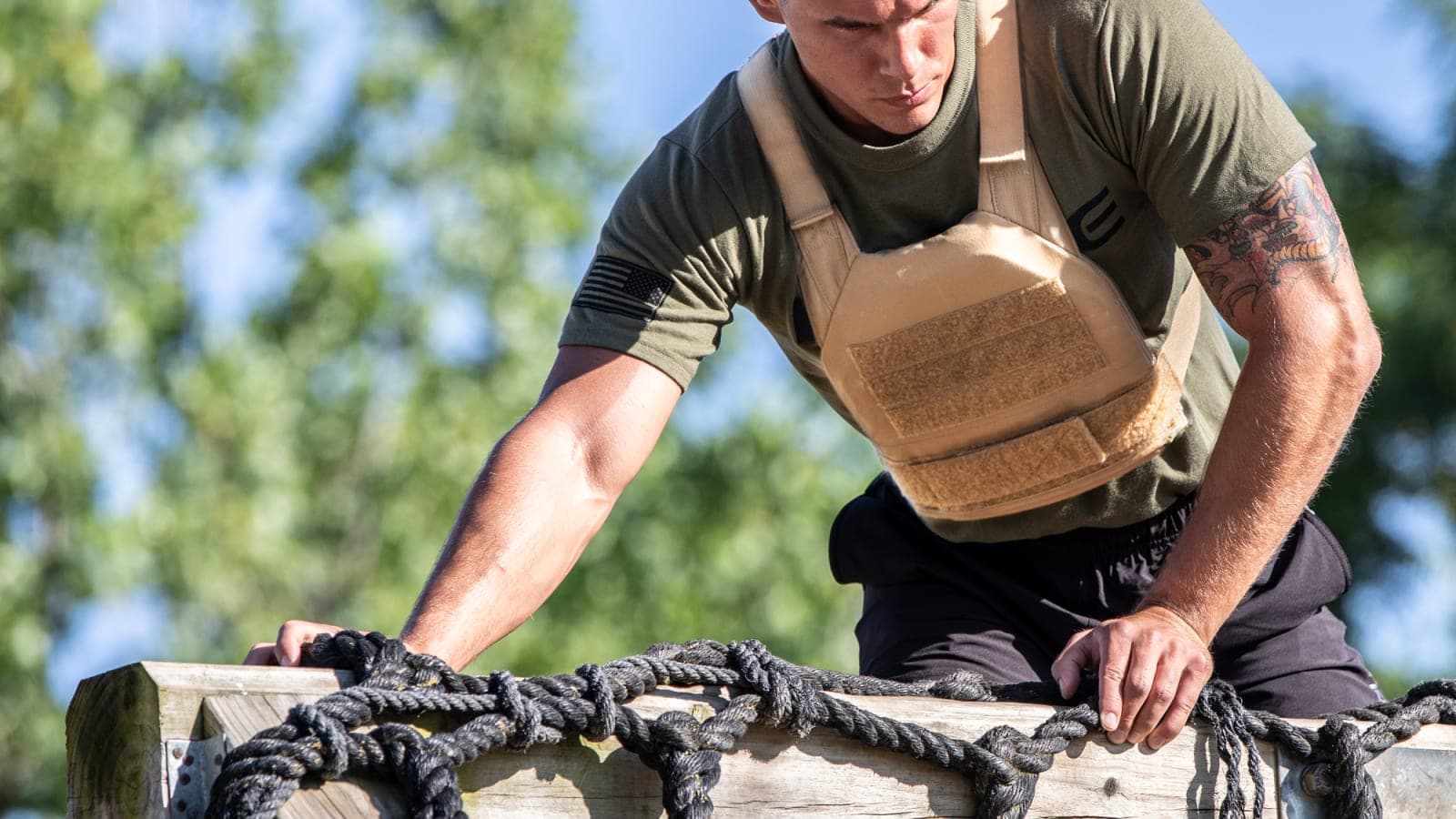
Rogue
Plate Carrier
Modular weight carrier — add plates, customize your load
Pros
- ✓ Fully modular — load it with standard plates to any weight you need
- ✓ Compatible with Rogue's own weight plates
- ✓ Adjustable fit for wide range of body sizes
- ✓ Purpose-built for WOD and functional fitness
Cons
- ✕ Requires separate weight plates (not included)
- ✕ More setup required vs. a fixed-weight vest
- ✕ Only available through Rogue directly
Frequently Asked Questions
What vest weight should I use for Murph?▾
For the official Murph Challenge, men wear a 20 lb vest and women wear a 14 lb vest. These weights align with military standards and the original workout format. However, if you're newer to weighted workouts, it's okay to scale down.
Do WOD athletes use the same vests as military-grade ones?▾
Sometimes — but not always. Many top athletes wear plate carriers like the 5.11 TacTec, which are modeled after military gear. Others opt for sleeker fitness-specific vests that are better for movement and breathability.
Is a plate carrier better than a traditional weighted vest?▾
Plate carriers often fit closer to the body, which reduces bounce and chafing — great for high-rep workouts like Murph. But they can be pricier and less adjustable. Traditional weighted vests may offer more flexibility in fit and weight, especially for training variety.
What are the Murph rules for wearing a vest?▾
For competitions or official Murph events, the standard is wearing a 20/14 lb vest throughout the entire workout — including the 1-mile runs, 100 pull-ups, 200 push-ups, and 300 squats. Some gyms allow scaling, so check your local event guidelines.